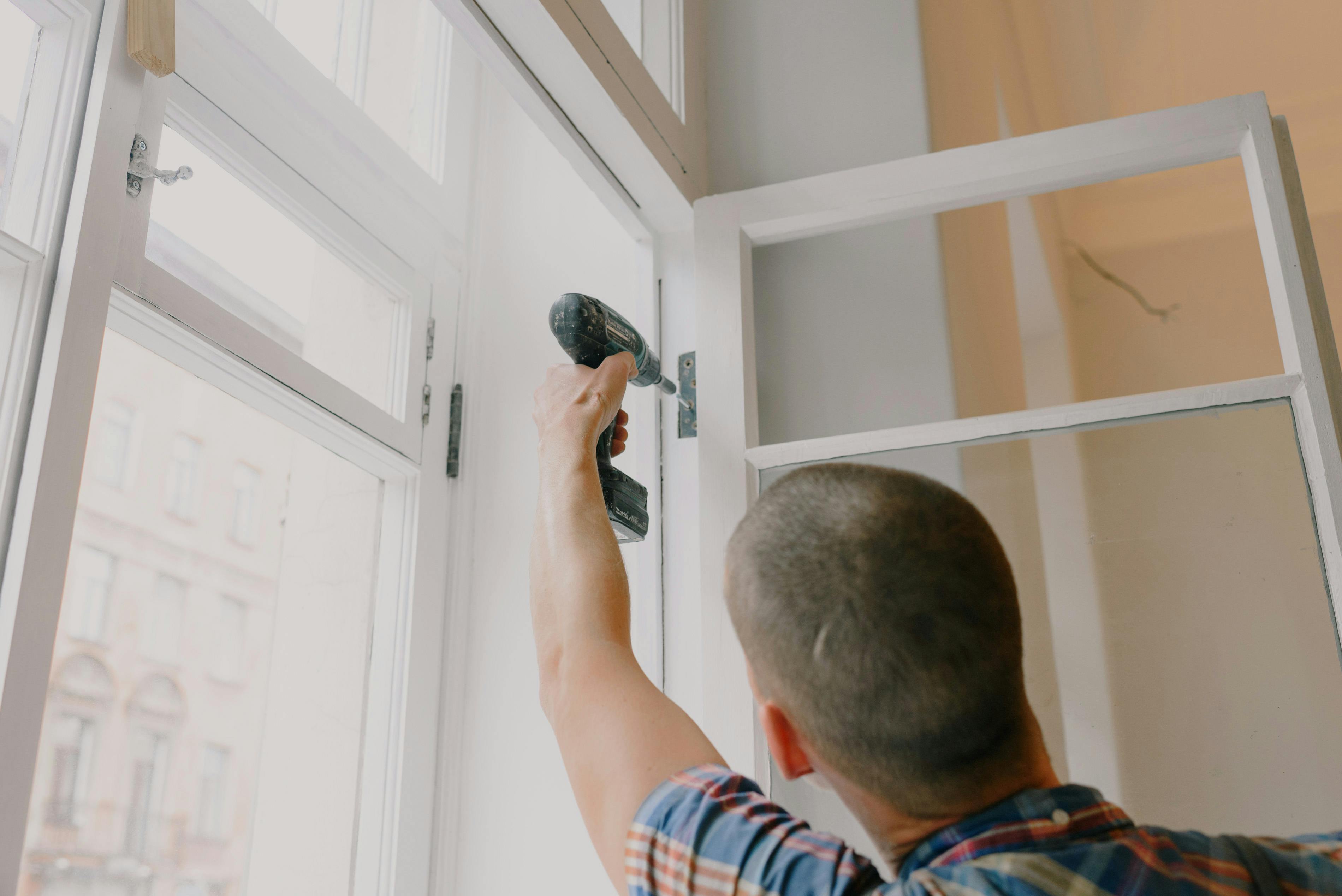
Understanding the Basics of Window Installation
For many homeowners, window installation might seem like a daunting task. Whether you're upgrading your home for energy efficiency, enhancing curb appeal, or replacing damaged windows, understanding the basics of window installation can make the process smoother and more cost-effective. This beginner's guide is designed to walk you through the essential aspects of window installation, helping you make informed decisions for your home.
Types of Windows: Choosing What’s Right for Your Home
The first step in window installation is selecting the type of windows that best suit your needs. Here’s a brief overview of common window types:
- Double-Hung Windows: These windows have two sashes in a single frame, allowing both the top and bottom to move. They are versatile and suitable for most home styles.
- Casement Windows: Hinged at the side, these windows open outward, offering excellent ventilation and unobstructed views.
- Sliding Windows: These windows slide horizontally along a track and are ideal for rooms where space is limited.
- Bay and Bow Windows: These protrude outward from the home, creating a small shelf inside and adding architectural interest to your exterior.
- Awning Windows: Hinged at the top, these windows open outward and are often placed above doors or below larger windows for additional ventilation.
Materials Matter: Selecting the Right Window Material
When it comes to window installation, choosing the right material is crucial for performance and longevity. Here are some options to consider:
- Vinyl: Known for its affordability and energy efficiency, vinyl windows require minimal maintenance and are resistant to moisture.
- Wood: Offering a classic look, wood windows can be painted or stained to match your decor. However, they require regular maintenance to prevent rot and deterioration.
- Aluminum: These are strong, lightweight, and resistant to corrosion, but they may not be as energy-efficient as other materials.
- Fiberglass: Known for their durability and energy efficiency, fiberglass windows can withstand extreme temperatures and resist warping.
Key Considerations for Window Installation
Energy Efficiency
Energy efficiency is a top priority for most homeowners when installing new windows. Look for windows with Energy Star ratings and low U-factors to ensure they're designed to keep your home comfortable and reduce energy costs.
Professional vs. DIY Installation
While some homeowners may consider DIY window installation, hiring a professional can save time and prevent costly mistakes. Professionals have the experience and tools necessary to ensure a proper fit and seal, critical for energy efficiency and preventing water damage.
Permits and Regulations
Before beginning your window installation project, check local building codes and regulations. Some areas require permits for window replacements, especially if they alter the structure of the building.
Steps in the Window Installation Process
Understanding the window installation process can help you prepare for what to expect. Here’s a simplified breakdown:
- Measurement and Ordering: Accurate measurements are crucial to ensure a perfect fit. Professionals often handle this step to prevent errors.
- Removing Old Windows: This involves removing the old windows carefully to avoid damaging the surrounding structure.
- Preparing the Opening: The window opening is cleaned and prepared, ensuring it's level and free of debris.
- Installing the New Window: The new window is placed into the opening and secured, ensuring it’s plumb and level.
- Sealing and Insulation: Proper sealing around the window prevents drafts and water infiltration.
- Finishing Touches: Trim and other finishing touches are added to provide a polished look.
Maintenance Tips for Longevity
Once your windows are installed, maintaining them is key to extending their lifespan:
- Clean Regularly: Use mild soap and water to clean window frames and glass. Avoid abrasive cleaners that can damage surfaces.
- Inspect Seals: Routinely check for drafts and reseal windows if needed to maintain energy efficiency.
- Lubricate Moving Parts: For windows with moving parts, apply a silicone-based lubricant to keep them operating smoothly.
- Check for Damage: Regularly inspect windows for signs of rot, mold, or damage and address issues promptly.
Conclusion: Making the Right Choice for Your Home
Choosing and installing new windows is a significant investment in your home’s comfort, energy efficiency, and aesthetic appeal. By understanding the types of windows available, selecting the right materials, and familiarizing yourself with the installation process, you can make informed decisions that align with your needs and budget. Whether you opt for professional installation or tackle the project yourself, a well-planned window installation can enhance the value and enjoyment of your home for years to come.